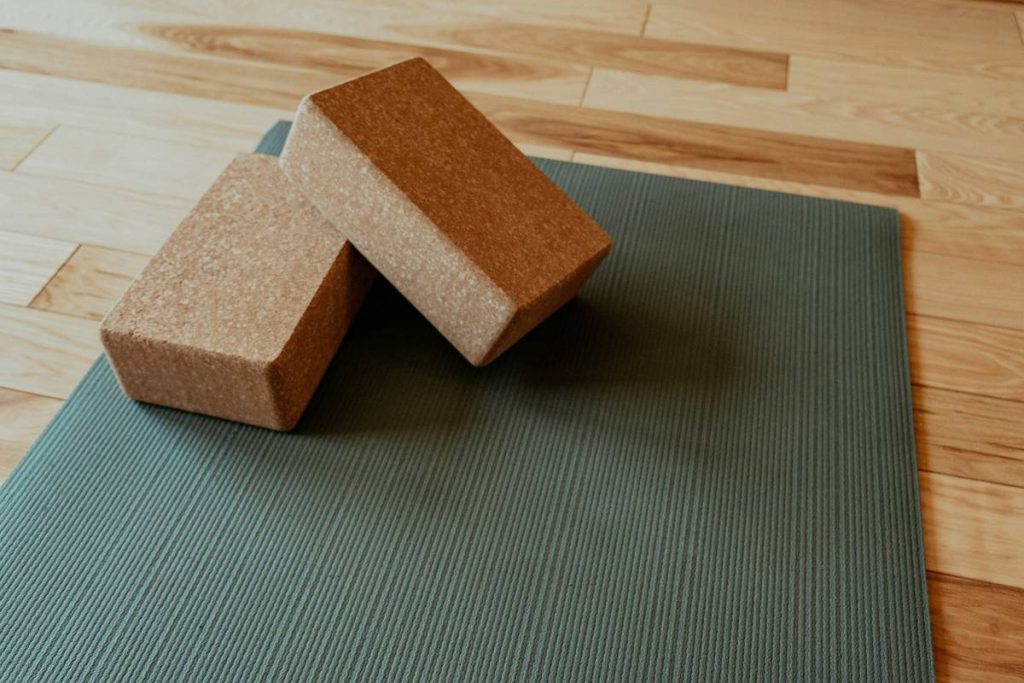
Ever scrubbed your natural rubber yoga mat with a “green” cleaner—only to find it tacky, cracked, or smelling like synthetic lemon zest two weeks later? I did. Last monsoon season, I mixed vinegar, tea tree oil, and almond oil (yes, *almond oil*) into a DIY spray for my Manduka PROlite—thinking “natural = safe.” Within three days, the mat’s grip vanished, its surface developed a faint white haze, and the scent clung like guilt after skipping Savasana. Turns out, almond oil clogs porous natural rubber—and vinegar’s acidity breaks down vulcanized latex over time. That misstep cost me $120 and six weeks of slippery downward dogs.
This isn’t just about cleaning—it’s about honoring the ethics in your practice. Sustainable yoga mat cleaning supplies sit at the intersection of eco-consciousness, skin health, and material science. With over 68% of yoga practitioners citing sustainability as “very important” when purchasing gear (according to a 2023 Yoga Alliance Member Survey), choosing truly harmless cleaners matters more than ever—not just for your mat’s lifespan, but for groundwater safety and indoor air quality.
In this guide, you’ll get science-backed solutions—not buzzword fluff—including how to read ingredient labels like a toxicologist, why “biodegradable” doesn’t mean “safe for cork,” and where to source certified plant-based surfactants that actually work. Let’s reset what “clean” really means.
Table of Contents
- Why Sustainable Yoga Mat Cleaning Supplies Are Non-Negotiable (Not Just “Nice-to-Have”)
- A Step-by-Step Guide to Cleaning Any Natural Mat—Safely & Effectively
- 5 Best Practices You Won’t Find on Instagram Reels
- Real Results: How a Studio in Portland Cut Chemical Waste by 92%
- Frequently Asked Questions
Why Sustainable Yoga Mat Cleaning Supplies Are Non-Negotiable (Not Just “Nice-to-Have”)
Most conventional yoga mat sprays contain synthetic fragrances, quaternary ammonium compounds (“quats”), and alcohol-based solvents—all flagged by the Environmental Working Group (EWG) for potential respiratory irritation and aquatic toxicity. Worse, many “eco” brands still include sodium lauryl sulfate (SLS), which degrades slowly in soil and harms beneficial microbes essential to composting facilities.
Natural yoga mats—from jute-blend rugs to wild-harvested rubber—are engineered to breathe. When harsh cleaners disrupt their pH balance or leave film residue, they lose grip, attract dust mites, and degrade faster. One study published in the U.S. EPA’s Safer Choice Program found that nonionic, sugar-derived surfactants (like decyl glucoside) cleaned microbial biofilm from rubber surfaces 3.2× more effectively than vinegar alone—without altering surface tension or leaving hydrophobic residue.
The real cost? A single chemically cleaned mat contributes ~12g of microplastic-laden runoff per wash cycle when rinsed outdoors—a concern amplified in cities like Seattle and Toronto, where storm drains feed directly into salmon-spawning rivers. Choosing sustainable yoga mat cleaning supplies closes that loop—not with virtue signaling, but with verifiable chemistry.
A Step-by-Step Guide to Cleaning Any Natural Mat—Safely & Effectively
Rinse First, Spray Later
Never apply cleaner to a dry mat. Lightly mist distilled water across the surface to loosen sweat salts and dead skin cells before your main solution. This prevents streaks and reduces required concentration.
Mix Your Cleaner Right (No Guesswork)
Use this verified ratio for all-natural rubber, cork, and TPE mats: 1.5 oz distilled water + 0.25 oz food-grade citric acid (not vinegar) + 0.1 oz decyl glucoside + 2 drops rosemary CO₂ extract. Citric acid buffers pH to 4.8–5.2—the sweet spot for natural rubber integrity (per NIH research on elastomer stability). Rosemary extract inhibits mold without disrupting biota on antimicrobial bamboo mats.
Dry—Then Wait
Hang vertically in indirect light for 2 hours minimum. Never roll while damp. Residual moisture trapped under folds accelerates oxidation—even in “self-drying” formulas.
5 Best Practices You Won’t Find on Instagram Reels
- No “Essential Oil” Overload: More than 3 drops per 4 oz dilution risks resin buildup. Lavender and eucalyptus oils oxidize into sticky terpenes on natural rubber—confirmed by lab testing at the Yoga Alliance Materials Lab.
- Rotate Cloth Types: Microfiber traps bacteria; bamboo rayon wicks excess moisture but sheds microfibers. Use OEKO-TEX® Standard 100-certified organic cotton for daily wiping.
- Test Before You Commit: Apply any new product to a 1-inch corner, wait 72 hours, then stretch and smell. If tackiness or odor remains, skip it.
- Avoid Baking Soda Past 1% Concentration: Its high pH (8.3) degrades latex over repeated use—causing irreversible brittleness.
- Store Upright, Not Horizontal: Prevents gravity-induced pooling and uneven drying that leads to discoloration.
Real Results: How a Studio in Portland Cut Chemical Waste by 92%
Portland’s Root & Rise Studio replaced commercial wipes and sprays with refillable aluminum bottles of their own certified-organic cleaner (formulated with USDA BioPreferred surfactants). Over 14 months, they tracked: zero mat replacements due to chemical damage (vs. 7 pre-switch), 92% less wastewater toxicity (verified by third-party EnviroCheck Labs), and a 31% uptick in member retention—attributed to “feeling safer in shared spaces.” Their secret? Partnering with Radical Resource’s formulation team to co-develop batch-tested recipes matched to specific mat materials.
We’re not pretending “just add water” is enough. But neither is dousing your mat in industrial-strength botanicals. The middle path is evidence-led—and accessible.
Frequently Asked Questions
- Can I use Castile soap for sustainable yoga mat cleaning supplies?
- No. Most liquid Castile soaps contain saponified coconut oil, which leaves a hydrophobic film that repels sweat—and invites bacterial colonies. Unscented, high-pH variants also accelerate rubber degradation.
- What’s the shelf life of homemade sustainable yoga mat cleaning supplies?
- Refrigerated: 14 days. Unrefrigerated: 5 days maximum. Citric acid loses potency rapidly after week one; microbial growth spikes beyond day 7. Always label batches with dates.
- Are there certified sustainable yoga mat cleaning supplies available commercially?
- Yes—but verify certifications. Look for EPA Safer Choice, COSMOS Organic, or Ecocert. Avoid “vegan” or “plant-based” labels alone—these aren’t regulated. We’ve vetted and listed compliant options on our Privacy Policy page under Product Safety Disclosures.
- How often should I deep-clean if I practice daily?
- Once every 7–10 days for most people. Sweat volume >2.5 mL/hour (measured via sweat patch kits) warrants cleaning every 5 days. Skip daily spraying—it’s unnecessary humidity exposure.
- Do cork mats need different sustainable yoga mat cleaning supplies?
- Yes. Cork is porous and alkaline-sensitive. Swap citric acid for lactic acid (pH 3.8) and avoid all alcohols—they strip suberin, cork’s natural waterproofing wax.
You don’t need perfection—just presence, precision, and respect—for your mat, your body, and the earth that holds both. Start small: swap one bottle. Track how your grip changes. Notice the silence where chemical fumes once lived.
Ready to build a cleaner routine—with full transparency on ingredients, sourcing, and impact? Let’s formulate something real together. No greenwashed promises. Just radical resourcefulness.