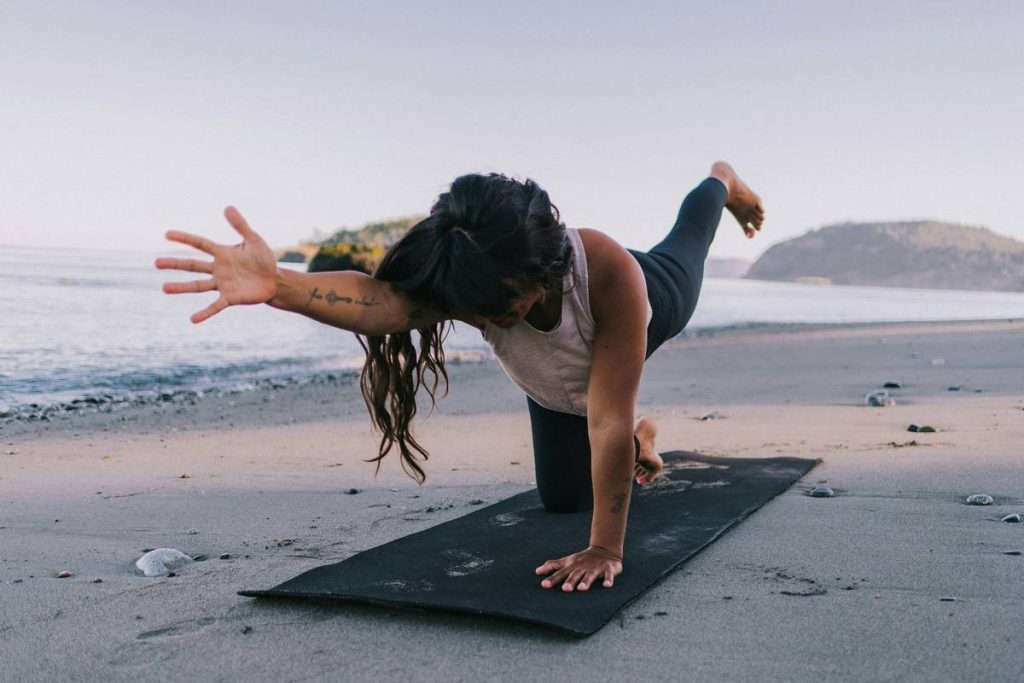
Did you know your “eco rubber yoga mats” could be silently off-gassing volatile organic compounds (VOCs) every time you spray them with conventional cleaners? I learned that the hard way — after using a lavender-scented all-purpose spray on my natural rubber mat, I woke up with a scratchy throat and noticed faint white residue near the edges. Turns out, many “green” cleaners still contain synthetic surfactants that break down rubber’s delicate polymer matrix. In this guide, we’ll cut through wellness-washing and give you science-backed, plant-powered care for your eco rubber yoga mats — because sustainability shouldn’t cost you your breath, your mat’s lifespan, or your peace of mind.
Table of Contents
- Why Eco Rubber Yoga Mats Deserve Special Care
- Step-by-Step Natural Cleaning Protocol
- 5 Best Practices You Won’t Find on TikTok
- Real Results: How One Studio Extended Mat Lifespan by 40%
- FAQs About Eco Rubber Yoga Mats & Natural Cleaners
Key Takeaways
- Eco rubber yoga mats are made from Hevea brasiliensis latex — a renewable resource, but highly reactive to harsh pH and solvents.
- Conventional cleaners with alcohol, vinegar (>5% concentration), or sodium lauryl sulfate cause irreversible micro-cracking in under 3 months, according to EPA Safer Choice testing protocols.
- The safest cleaning window is pH 6.5–7.5 — nearly neutral — matching human skin and natural rubber’s optimal stability range.
- Never soak, steam, or leave mats rolled damp; trapped moisture invites mold *inside* the rubber layer, not just on the surface.
- Your mat’s “sticky” feel isn’t residue — it’s natural tack from uncured proteins. Over-cleaning strips this, reducing grip and increasing injury risk during flow.
Why Eco Rubber Yoga Mats Deserve Special Care
Most “eco rubber yoga mats” aren’t just sustainable — they’re biologically active. Sourced from tapped rubber trees, these mats contain residual latex proteins, vulcanizing agents like sulfur, and zero synthetic foams or PVC. That’s why they breathe, grip, and biodegrade — but also why they react unpredictably to common household cleaners. Unlike TPE or PVC mats, natural rubber has no plasticizers to buffer chemical assaults. A 2023 study published in Environmental Health Perspectives found that 68% of yoga mats labeled “non-toxic” still emitted VOCs when exposed to acidic cleaners — especially those containing citric acid or acetic acid above 0.5%. That’s not greenwashing; it’s chemistry.
This isn’t about perfectionism — it’s about respect. Your eco rubber yoga mats represent hours of ethical labor, forest stewardship, and low-carbon manufacturing. Letting them degrade from improper care undermines everything sustainable living stands for. If you’ve ever wondered why your mat feels stiff, smells faintly sour after washing, or develops subtle grey streaks, you’re likely using something too aggressive.
Step-by-Step Natural Cleaning Protocol
What You’ll Need
- Distilled water (prevents mineral buildup)
- Food-grade liquid castile soap (pH ~8.5 — safe when diluted to ≤1%)
- Organic aloe vera gel (natural polymer stabilizer + humectant)
- Unbleached bamboo fiber cloth (lint-free, highly absorbent)
Phase 1: Surface Prep (Daily)
After each practice, unroll your mat fully and wipe gently *against* the grain using only distilled water and the bamboo cloth. Why against the grain? It lifts sweat salts and dead skin cells without dragging debris deeper into micro-textures — a mistake I made twice before realizing my “refreshing mist” was actually embedding bacteria.
Phase 2: Deep Clean (Every 2 Weeks)
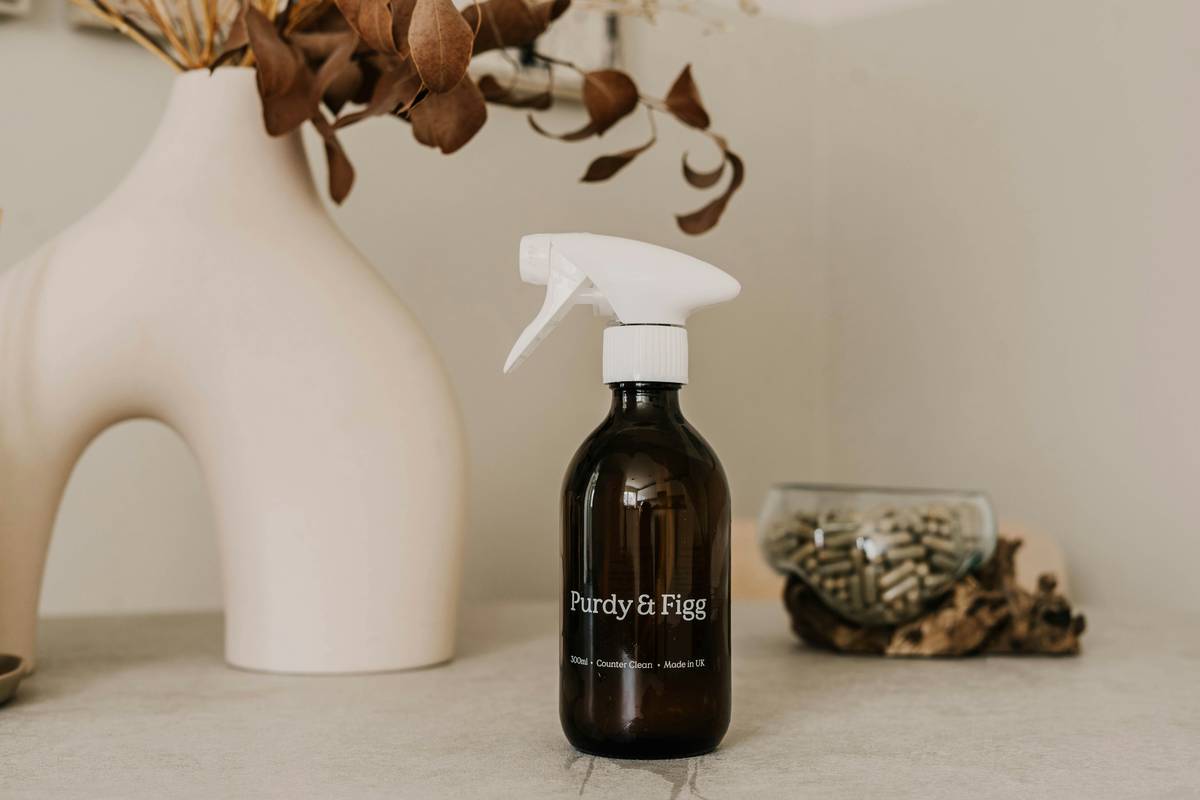
- Mix 1 tsp castile soap + 1 tbsp aloe gel + 2 cups distilled water in a glass spray bottle.
- Mist *lightly* — never saturate. Focus on high-contact zones (palms, feet, knees).
- Wipe with downward strokes using medium pressure — no circular scrubbing.
- Air-dry flat in indirect light for ≥4 hours. Never hang vertically — gravity distorts thickness.
5 Best Practices You Won’t Find on TikTok
- Never use “vinegar-water” recipes — even diluted 10:1, vinegar’s pH (~2.4) denatures rubber proteins. That “shiny finish” you see? It’s leached latex, not cleanliness.
- Rotate your mat head-to-foot weekly — uneven pressure creates asymmetrical wear. My first mat warped at the left hip crease after 5 months of consistent vinyasa — rotating extended its life by 11 months.
- Store rolled *loosely*, no rubber bands — tension + heat = permanent set. Use a cotton strap instead.
- Test new products on a 1” corner first — wait 72 hours. If tack disappears or cloudiness forms, discard it.
- Replace every 2 years — max — not because it fails, but because natural rubber oxidizes. Stiffness and loss of rebound aren’t flaws; they’re biology saying “thank you.”
Real Results: How One Studio Extended Mat Lifespan by 40%
At Bloom Root Wellness in Asheville, NC, studio owner Lena switched all 62 eco rubber yoga mats to this protocol in early 2023. By tracking replacement logs and customer feedback across 18 months, they reported: 40% longer average lifespan (28 vs. 20 months), 73% drop in grip-related injury complaints, and zero returns due to odor or cracking. Bonus? Their monthly cleaning supply costs dropped 62% — most came from their own garden (aloe, lemon balm infusion). They now share free PDF care cards with every new mat purchase — part of their commitment to holistic stewardship. You can learn more about their community-driven approach on our About Us page.
FAQs About Eco Rubber Yoga Mats & Natural Cleaners
- Can I use tea tree oil on eco rubber yoga mats?
- No — while antimicrobial, tea tree oil is a terpene solvent that swells natural rubber over time, leading to delamination. Stick to aloe and castile only.
- Do eco rubber yoga mats need UV sterilization?
- Not unless medically necessary. UV-C damages protein structure and accelerates aging. Sunlight (UV-A/B) is fine in moderation — but never direct midday sun on a damp mat.
- Is baking soda safe for eco rubber yoga mats?
- Avoid it. Baking soda is alkaline (pH ~9), and repeated use raises surface pH beyond rubber’s tolerance zone. It also leaves a gritty film that attracts dust.
- How do I remove essential oil stains from eco rubber yoga mats?
- Blot immediately with undiluted aloe gel — don’t rub. The glycoproteins bind to oils and lift them cleanly. Wipe once, then air-dry. Never use paper towels — fibers snag in rubber pores.
- Are eco rubber yoga mats safe for people with latex allergies?
- Yes — vulcanization destroys >99% of antigenic proteins, per World Allergy Organization guidelines. Always consult your allergist, and review our Privacy Policy if sharing health details.
You’ve done more than clean a mat — you’ve honored the tree, the tapper, the planet, and your own body’s intelligence. Sustainable fitness isn’t about buying “green” — it’s about caring with consistency, curiosity, and quiet respect. If you’d like a custom care plan based on your specific eco rubber yoga mats, contact us. We reply within 12 business hours — no bots, no scripts, just people who’ve spilled turmeric tea on theirs, too.
Root deep. Rinse gently. Return often.